How to Maintain Your Results After Dental Implants in Calabasas CA
Dental implants can last for many years, often decades, but they do not stay healthy on autopilot. That surprises some patients. Once the implant is placed, the assumption is that the hard part is over and the new tooth will simply take care of itself. In reality, the long-term result depends on what happens after healing, not just what happened in the surgical chair.
That is especially true in a place like Calabasas, where people tend to be active, social, and understandably attentive to appearance. Patients want their smile to function well, look natural, and hold up over time. If you have invested in Dental Implants Calabasas CA, protecting that investment means understanding how implants fail, what habits support them, and when small warning signs need attention.
The good news is that maintenance is not complicated. It is mostly about consistency, with a few smart adjustments based on your bite, your gums, and your general health.
What you are really maintaining
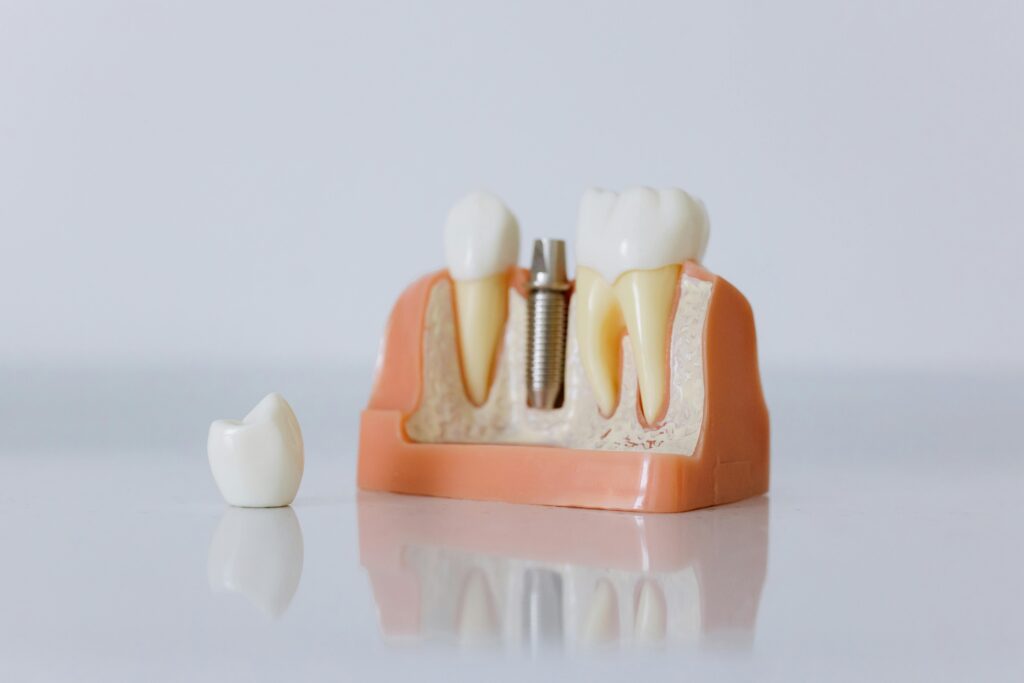
An implant is not just a replacement tooth. It is a small system. There is the titanium implant itself, the bone that supports it, the gum tissue that seals around it, and the crown or bridge you chew on every day. If any one of those components is neglected, the whole result can suffer.
Patients sometimes think, "It cannot get a cavity, so I do not have to worry about it the way I would a natural tooth." It is true that the implant post and ceramic crown do not decay. The surrounding tissue, however, can absolutely become inflamed or infected. The most common long-term problem is not decay. It is peri-implant disease, which is inflammation around the implant that can lead to bone loss if ignored.
That distinction matters. You are not brushing and flossing only for the artificial tooth. You are preserving the living bone and gum around it.
The first year sets the tone
The earliest phase after implant treatment often predicts how things will go years later. During this period, the bone integrates with the implant, the gums mature, and your dentist fine-tunes the bite so the implant is not carrying more force than it should.
I have seen patients do beautifully with implants even when they came in with difficult starting conditions, thin bone, old gum disease, heavy clenching, or a long history of dental neglect, because they took the follow-up period seriously. I have also seen technically excellent cases run into trouble because the patient disappeared after crown delivery and treated the implant like it needed no supervision.
In the first year, routine checkups are not just formalities. Your dentist may be looking for subtle mobility in a crown, cement residue, tissue irritation, early inflammation, or signs that your bite has changed as you settle into the restoration. None of those issues necessarily hurt at first. That is why scheduled maintenance matters more than symptoms.
Daily home care matters more than most people expect
The best implant maintenance plan is the one you can actually sustain. Patients sometimes buy an entire drawer full of gadgets and use them for ten days. Then life gets busy and the routine disappears. A simple, repeatable system almost always works better.
Brush thoroughly twice a day with a soft-bristled toothbrush. Electric brushes tend to help many adults because they reduce the urge to scrub too hard and improve consistency along the gumline. The goal is not just to polish the visible crown. It is to disrupt plaque where the implant meets the gum.
Cleaning between teeth is just as important. The exact tool depends on your implant design and spacing. Some patients do well with floss made for implants or bridges. Others get better results with small interdental brushes. If you have an implant bridge, the area underneath the connector often traps food in a way that natural teeth do not. That area needs deliberate attention.
A water flosser can be a useful addition, especially for patients with limited dexterity, larger restorations, or tight spaces that are difficult to reach. It is helpful, but it is not always a complete substitute for mechanical cleaning. Think of it as support, not magic.
Why the gum seal deserves respect
Natural teeth are attached to the surrounding tissues differently than implants are. Around a natural tooth, the body has connective tissue fibers inserting into the tooth structure. Around an implant, the tissue seal is more delicate. It can be healthy and stable, but it is less forgiving when plaque builds up over time.
That is one reason bleeding around an implant should never be brushed off. Patients often tell themselves it is probably from flossing too aggressively. Sometimes it is. More often, repeated bleeding is a sign that the tissue is inflamed.
Healthy implants usually feel boring. They do not throb, bleed, taste bad, trap unusual amounts of debris, or develop tenderness when you brush. When those signs begin to appear, early treatment can make a dramatic difference.
The bite can make or break an implant
A clean implant can still fail under the wrong forces. This is the part many patients do not anticipate. Implants do not have the same shock-absorbing ligament natural teeth have. They are strong, but they are also more direct in the way they transfer load to the bone.
If you clench or grind, especially at night, your implant may be exposed to repeated forces that loosen screws, chip porcelain, or irritate the surrounding bone. Sometimes the first clue is not pain. It may be a crown that feels slightly off, a clicking sensation, or a small ceramic fracture.
Nightguards are not glamorous, and many patients resist them at first. Yet for the right person, they are one of the smartest ways to protect dental work. This is especially relevant for adults with a stressful schedule, a history of worn teeth, tension headaches, or jaw soreness in the morning. In practices that restore a lot of Dental Implants Calabasas CA, bite protection is often part of long-term success, not an optional extra.
Food habits that help, and food habits that hurt
Once the implant is fully restored and your dentist clears you for normal chewing, you generally do not need a special diet. Still, there are habits that increase risk over time.
Very hard foods can be a problem, especially if you bite down suddenly with the implant crown. Ice chewing, pistachio shells, hard candy, and using teeth as tools are classic ways to damage crowns or overload the restoration. It does not happen every time, which is why people keep doing it, until the day something cracks.
Sticky foods are less dramatic but can also be troublesome if they pull on temporary restorations or collect around hard-to-clean areas. Popcorn hulls and seeded foods are frequent offenders for patients with bridgework because they wedge under the prosthesis and irritate the gums.
You do not need to eat nervously. You just need reasonable judgment.
Smoking, vaping, and the slow damage patients do not always see
Tobacco has long been linked to poorer implant outcomes, and that remains one of the clearest modifiable risks. Smoking affects blood flow, healing, and the body’s ability to control inflammation. Even when an implant integrates successfully, smoking can make long-term tissue stability harder to maintain.
Vaping is often framed as the cleaner alternative, but from a tissue-health standpoint, many dentists remain cautious. Nicotine itself can impair circulation and healing, and the heat and chemical exposure do not give the gums any obvious advantage. Patients who switch from cigarettes to vaping sometimes assume their implant risk disappears. It does not.
If there is one category of patient I monitor especially closely around implants, it is the patient with a history of smoking, inconsistent home care, and delayed recall visits. Problems in that combination tend to grow quietly.
Medical conditions and medications count
Implants live in the mouth, but their health is tied to the rest of the body. Diabetes, especially when poorly controlled, can make healing and inflammation management more difficult. Dry mouth from medications can increase plaque accumulation and gum irritation. Some patients taking medications that affect bone metabolism may need a more tailored maintenance plan and closer communication between providers.
This is one reason updating your health history matters, even years after implant placement. A new medication, a new autoimmune diagnosis, or significant weight changes can all influence oral tissue behavior in ways patients do not immediately connect to their dental work.
If your general health changes, mention it at your implant maintenance appointment. That conversation is not paperwork. It is part of prevention.
Professional cleanings are different around implants
Not every dental cleaning is the same, and implants are one reason why. Hygienists and dentists often use specific instruments and techniques around implants to avoid scratching the restoration while still disrupting plaque and tartar. The goal is to preserve the surface and monitor tissue health, probing depths, bleeding, and radiographic bone levels as appropriate.
Patients sometimes ask how often they should come in. For some, twice a year is enough. For others, especially anyone with previous gum disease, smoking history, difficult home access, or multiple implants, three or four maintenance visits a year may be the safer choice. There is no medal for stretching recall intervals. The right schedule is the one that keeps inflammation under control.
A patient who had severe periodontal disease before receiving implants usually should not expect the same maintenance frequency as someone who lost one tooth in an accident and has otherwise healthy gums. Risk profiles differ, so recommendations should differ too.
Signs you should not ignore
Some implant problems are painless at first. That is what makes them risky. By the time discomfort appears, more bone loss may already have occurred than most patients realize.
Watch for these changes and schedule an evaluation if they persist:
- bleeding when brushing or flossing around the implant
- a bad taste or odor coming from one area
- swelling, tenderness, or a pimple-like bump on the gum
- a crown that feels loose, high, or suddenly different when you bite
- food trapping that seems new or progressively worse
None of those signs automatically means the implant is failing. A loose crown screw, excess cement, inflamed tissue, or bite interference can often be corrected, especially when caught early. What matters is speed. Delaying evaluation turns small fixes into bigger ones.
If you have had gum disease before, be extra disciplined
Past periodontal disease remains one of the strongest reasons to take implant maintenance seriously. Patients sometimes believe implants are the perfect workaround for problem teeth, and in one sense they are a powerful solution. But they do not erase the biological tendency that contributed to earlier tissue breakdown.
If your gums and bone were vulnerable before, the same bacterial burden and inflammation patterns can affect implants too. That does not mean implants are a poor choice. It means the maintenance standard needs to be high.
I often think of these cases in practical terms. The patient who lost teeth because of advanced gum disease and then commits to strict maintenance often does very well. The patient who expects implants to be lower maintenance than natural teeth usually struggles.
Cosmetic expectations need maintenance too
Function is the priority, but in a visible smile zone, appearance matters. Over time, even a stable implant can show cosmetic changes if the surrounding gum recedes, the neighboring teeth shift, or staining builds up on adjacent natural teeth and makes the implant crown appear mismatched.
This is particularly relevant in image-conscious communities where patients notice subtle changes. A front implant that looked perfect on delivery can start to stand out years later if the gumline changes by even a millimeter or two. That does not always signal implant disease. Sometimes it is age-related tissue remodeling, bite changes, or changes in the nearby natural teeth.
Good maintenance supports not only implant survival but also cosmetic longevity. If aesthetics are important to you, keep recall visits regular and raise concerns early rather than waiting for the change to become obvious in photographs.
Travel, busy schedules, and real-life compliance
One practical issue for many adults in Calabasas is schedule pressure. Work travel, long commutes, family demands, and frequent rescheduling can break good routines. Implants do not fail because someone had one bad week. They get into trouble when missed appointments and rushed home care become the normal pattern.
The patients who maintain excellent long-term results usually have systems, not just good intentions. They keep their recall appointments scheduled months in advance. They travel with the same cleaning tools they use at home. They replace worn brush heads on time. They pay attention when something feels different.
That is not perfectionism. It is maintenance maturity.
A realistic home routine
For most people, a sustainable implant care routine looks like this:
- brush for a full two minutes, morning and night, with attention to the gumline
- clean between teeth or under bridge areas once a day with the tool your dentist recommends
- use a nightguard if you clench or grind
- keep professional maintenance visits on the schedule your dental team advises
- call sooner if you notice bleeding, looseness, swelling, or changes in your bite
This is not an extreme regimen. It is the baseline that protects complex dental work.
Temporary issues versus true emergencies
Not every implant-related concern needs panic. Mild gum irritation after getting food packed around a bridge is common. A crown that feels slightly rough might only need polishing. A bit of soreness after a hard bite can settle quickly.
But there are situations where waiting is unwise. Noticeable looseness, increasing swelling, visible pus, persistent bleeding, or pain on chewing that is getting worse should be seen promptly. Patients often wait because they fear hearing bad news, but most implant problems are easier to manage when addressed early.
A loose implant crown, for example, may simply need the screw retightened or the crown adjusted. Left alone, that same issue can create repeated movement that damages components or irritates surrounding tissue.
Choosing the right maintenance relationship
Long-term implant success is easier when your dental team knows your history and has a clear record of your restoration type, implant position, and prior imaging. If your implant was placed by a specialist and restored by a general dentist, coordinated follow-up matters. If you move or change offices, make sure records transfer.
This is one reason many Dental Implants Calabasas CA patients prefer to stay connected with a practice experienced in Dental Implants Calabasas CA rather than treating maintenance as interchangeable from one office to the next. Implant systems vary, restoration designs vary, and tissue behavior varies. Continuity helps.
Ask direct questions during maintenance visits. Is the bone level stable? Are the pockets around the implant healthy? Is the bite showing signs of overload? Is the crown or screw showing wear? Patients who ask better questions tend to make better decisions.
Long-term success is built on ordinary habits
The implant itself may be advanced dentistry, but the way you protect it is refreshingly unremarkable. Clean it well. Respect the bite. Keep inflammation low. Show up for maintenance. Act early when something changes.
That rhythm is what preserves results year after year.
Most implant failures are not dramatic surprises. They are the outcome of small signals missed, small habits neglected, and small appointments postponed. The reverse is also true. Most long-lasting implant successes come from ordinary discipline repeated over time.
If you want your investment to look natural, feel comfortable, and function well for the long haul, treat maintenance as part of the treatment, not what happens after treatment ends.
Oaks Dental
5000 Parkway Calabasas, Suite 308
Calabasas, CA 91302, United States
Phone: +1 (818) 412-8349
FAQ About Dental Implants Calabasas CA
How much does a dental implant cost in California?
Costs vary with the number of teeth replaced, restoration type, imaging, and any extractions or bone grafting. Request an itemized estimate after an examination; a single advertised price may not include every treatment stage.
Can people with autoimmune disease get dental implants?
Some people may qualify, but the condition, medications, oral health, and healing risks require individual assessment. Share your medical history with your dentist, who may coordinate with your treating physician.
Can you have dental implants if you have osteopenia?
Osteopenia does not by itself establish whether implants are suitable. Your dentist must evaluate jawbone support and review bone-related medications and other risks before recommending treatment.