Smile Restoration With Dental Implants in Calabasas CA
A healthy smile does more than fill out a photograph. It changes how a person eats, speaks, socializes, and carries themselves in everyday life. When one or more teeth are missing, those changes can be subtle at first. A person may chew on one side, avoid certain foods, or smile with a closed mouth without thinking much about it. Over time, the effects become harder to ignore. Nearby teeth can shift. Bite pressure becomes uneven. Bone in the area of the missing tooth starts to shrink. The face can even lose some of its natural support.
That is why dental implants have become such an important part of modern restorative care. For many patients, they offer something other options cannot fully match: stability, longevity, and a replacement that functions much like a natural tooth. People looking into Dental Implants Calabasas CA are often not just asking how to replace a tooth. They are asking how to feel normal again, how to eat comfortably again, and how to stop planning their life around a dental problem.
The right implant treatment can do exactly that, but only when it is planned with care and grounded in a realistic understanding of the patient’s health, anatomy, priorities, and budget.
What makes dental implants different
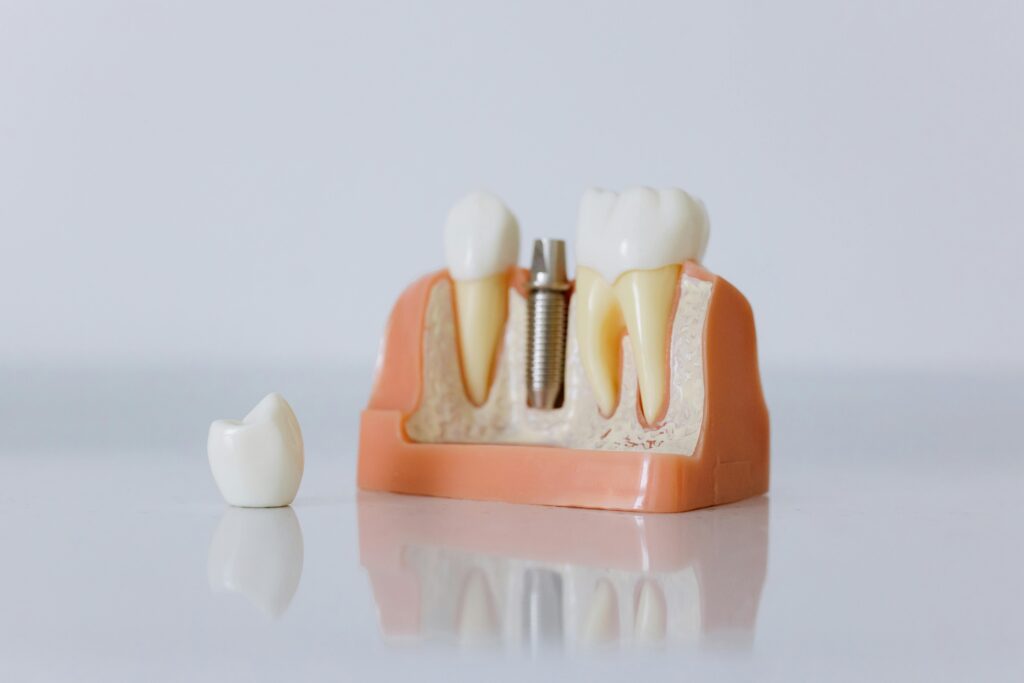
A dental implant replaces the root of a missing tooth, not just the visible crown. In practical terms, that means a small titanium or titanium alloy post is placed in the jawbone, where it heals and integrates with the bone over time. Once that foundation is secure, a connector and custom crown are attached to complete the restoration.
That root-level support matters. A bridge can replace the visible part of a missing tooth, but it usually depends on neighboring teeth for support. A removable denture can restore appearance and some function, but it sits on top of the gums and may shift during eating or speaking. An implant stands on its own. It helps preserve the jawbone by transmitting chewing forces into the bone, which is exactly what natural tooth roots do.
Patients often notice the difference in ordinary moments. Biting into an apple without hesitation. Laughing without covering the mouth. Speaking clearly without worrying that a denture might slip. These are not cosmetic extras. They affect quality of life in a direct, daily way.
The hidden cost of waiting too long
Many people live with a missing tooth for years because the space does not hurt. That is understandable, but it can create more complicated treatment later. The jawbone in the missing area gradually resorbs because it no longer receives the stimulation it needs. Adjacent teeth may drift into the gap. The opposing tooth can begin to over-erupt, moving out of position because it no longer has contact.
In a straightforward case, a single implant might be placed with minimal preparation. In a delayed case, that same patient may need bone grafting, sinus elevation in the upper back jaw, orthodontic adjustment, or restorative changes elsewhere to create enough space. None of those treatments are unusual, and many are highly predictable, but they do increase time, cost, and complexity.
This is one reason early consultation matters. Even if a patient is not ready to proceed right away, a detailed exam can establish what the situation looks like now and what changes are likely if treatment is postponed.
Who tends to be a good candidate
There is no single profile for the ideal implant patient. Age by itself is rarely the deciding factor. A healthy adult in their seventies may be a better candidate than a younger person with uncontrolled diabetes, severe periodontal disease, or heavy smoking habits. The real questions are whether the mouth is healthy enough, whether enough bone is present or can be rebuilt, and whether the patient can maintain the area properly after treatment.
A thoughtful consultation usually looks at several factors together:
- overall medical history and medications
- gum health and history of periodontal disease
- bone volume and density in the implant site
- bite forces, clenching, or grinding habits
- smoking or nicotine use and oral hygiene patterns
That kind of review is not red tape. It is part of making the restoration last. In everyday practice, the best long-term outcomes usually come from careful case selection and realistic planning, not rushed treatment.
Why bone quality and gum health matter so much
People often focus on the crown because that is the part they will see. Clinicians focus first on the foundation. An implant placed into thin, compromised, or infected tissue is at higher risk from the start. Bone must be sufficient in height and width, and the gums around the implant need to be healthy and maintainable.
In the front of the mouth, esthetics add another layer. The gum line has to frame the final crown naturally, especially when the patient has a high smile line. Tiny discrepancies that would go unnoticed in a back molar can stand out immediately in a front tooth. This is Dental Implants Calabasas CA one reason front-tooth implants often require more detailed planning than patients expect. Position, angulation, tissue thickness, and healing pattern all influence whether the final result disappears naturally into the smile or looks slightly artificial.
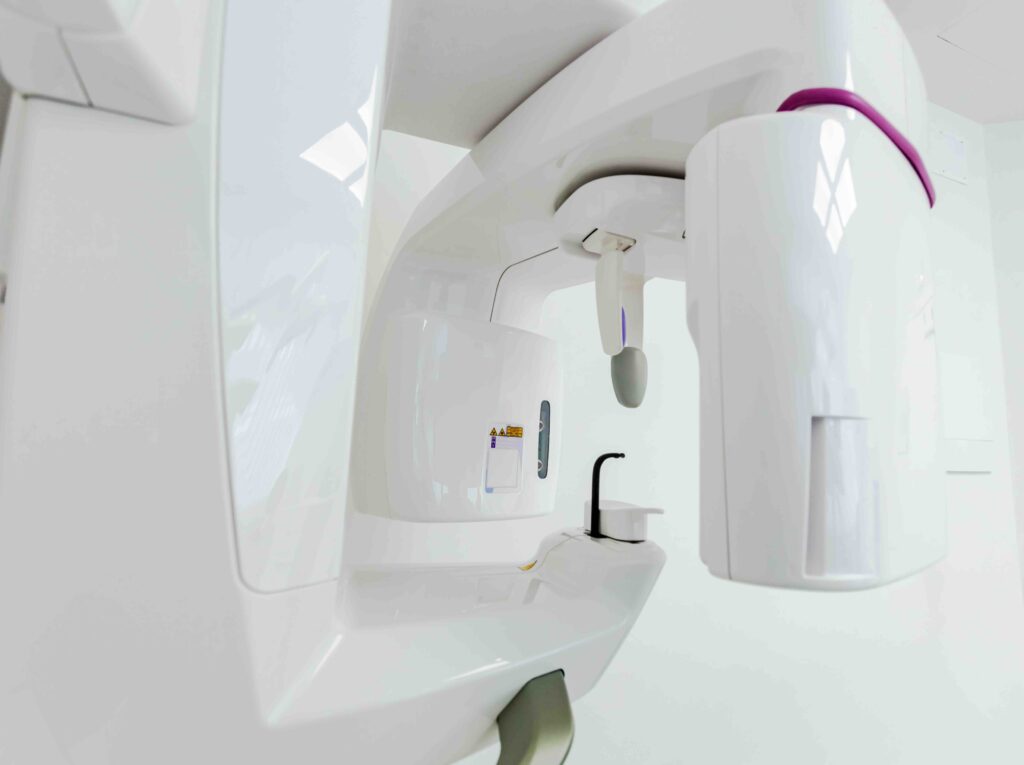
Experienced implant planning tends to account for these details before surgery, not after. That may involve three-dimensional imaging, surgical guides, provisional restorations, or staged grafting to shape bone and soft tissue correctly.
The treatment process, in real terms
The general idea behind implants is simple. The sequence can vary quite a bit.
Some patients need an extraction, healing period, implant placement, integration period, and final crown. Others can have an extraction and implant placed on the same day if the site is favorable. Still others require grafting first, then implant placement months later. The timeline depends on infection, bone availability, esthetic demands, and how much initial stability the implant can achieve.
For a typical single-tooth case, the process often unfolds over several months rather than several weeks. That can feel slow to patients who want everything finished immediately, but the healing phase is where long-term stability is built. Bone needs time to attach to the implant surface. Soft tissue needs time to mature. Rushing the restorative phase can compromise both function and appearance.
A realistic sequence might look like this:
- consultation, imaging, and treatment planning
- extraction and grafting if needed
- implant placement, sometimes same day, sometimes later
- healing and bone integration over a few months
- final crown placement and bite adjustment
Even then, there are variations. A lower front implant in dense bone may heal differently than an upper molar implant near the sinus. A full-arch restoration follows a different pathway than a single crown. What matters most is not speed for its own sake, but choosing the timeline that gives the case the best chance of lasting.
When bone grafting enters the picture
Bone grafting sounds intimidating to many patients, yet it is a routine part of implant dentistry. If the jaw has thinned after tooth loss, a graft can rebuild enough volume to support the implant properly. In the upper back jaw, where the sinus leaves limited vertical bone, a sinus lift may be needed to create additional space for implant placement.
Not every patient needs these procedures. When they are recommended, it is usually because proceeding without them would compromise implant position, stability, or esthetics. There are cases where an implant can technically be placed into limited bone, but the crown would emerge at an awkward angle or be difficult to clean. Skilled treatment planning avoids that trap. Success is not just getting the implant into the bone. Success is placing it where the final tooth can function well and be maintained.
Single implants, multiple implants, and full-arch options
Replacing one tooth with one implant is often the easiest concept for patients to understand. The implant supports a single crown and leaves neighboring teeth untouched. That is a major advantage over traditional bridges, which often require reshaping adjacent healthy teeth.
When several teeth are missing, the plan becomes more strategic. Not every missing tooth needs its own implant. In many situations, two implants can support a three-tooth bridge. For larger spans or full-arch cases, four to six implants may support a fixed prosthesis, depending on bone availability and design.
This is where judgment matters. More implants are not automatically better, and fewer implants are not automatically more efficient. The right number depends on load distribution, bone anatomy, restorative design, hygiene access, and the patient’s goals. A patient who prioritizes a non-removable solution may choose a fixed full-arch bridge. Another may do well with implant-retained dentures that snap into place securely but remain removable for cleaning. Neither choice is universally superior. The better choice is the one that fits the clinical reality and the patient’s lifestyle.
Aesthetics are about more than the tooth itself
People often say they want an implant to look natural. That phrase sounds simple, but in dentistry it involves several separate pieces working together. The crown has to match the color, translucency, shape, and surface texture of nearby teeth. The gum around it has to look balanced. The implant position must allow the restoration to emerge from the tissue in a way that does not look bulky or flat.
The best cosmetic implant results rarely happen by accident. They come from coordination between the surgical and restorative sides of treatment. Digital scans help, but they do not replace judgment. Shade matching under different lighting, evaluating the patient’s lip movement during speech and smiling, and understanding how tissue will respond over time all matter.
In affluent, appearance-conscious communities, expectations can be especially high. Patients seeking Dental Implants Calabasas CA often care deeply about function, but they also want a restoration that disappears into the smile rather than calling attention to itself. That level of finish is possible, though it tends to require more planning than patients initially realize.
What recovery usually feels like
Most implant placement procedures are easier than patients expect. Discomfort is often described as milder than a difficult extraction. The area may feel sore or tight for a few days, and some swelling is common, especially when grafting is involved. Many patients return to desk work the next day, though that varies with the extent of treatment and the individual’s pain tolerance.
The more important part of recovery is not simply getting through the first 48 hours. It is protecting the site while healing happens beneath the surface. An implant can feel fine long before it is ready for full loading. That is why temporary restorations, diet modifications, and follow-up visits matter. A site that heals quietly and uneventfully often does so because the patient respected the process even when it seemed like nothing was happening.
Longevity, maintenance, and what can go wrong
Dental implants can last many years, and often much longer, but they are not self-maintaining. The idea that an implant is a permanent fix requiring no attention is one of the most damaging misconceptions in dentistry.
Implants do not get cavities, but the tissues around them can still become inflamed or infected. Plaque buildup, poor home care, excess cement, smoking, uncontrolled diabetes, and grinding can all contribute to complications. Peri-implant mucositis is a reversible inflammatory condition if caught early. Peri-implantitis involves bone loss and is more serious. Early detection matters.
Maintenance tends to be straightforward for patients who are consistent. Daily cleaning, regular professional evaluations, and checking the bite periodically can prevent many problems from becoming severe. In practice, implants often fail not because they were a flawed treatment choice, but because patients assumed they no longer needed careful dental care once the final crown was in place.
Cost questions patients ask, and the honest answer
The price of implant treatment varies widely because the treatment itself varies widely. A straightforward single implant in a healthy site is different from a case that includes extraction, bone grafting, a temporary restoration, custom abutment, premium esthetic crown, and specialist coordination. Materials, lab work, imaging, and the complexity of the surgery all influence cost.
It is tempting to compare implant fees the way people compare appliance prices. That rarely works well. Two treatment plans may sound similar on paper and be very different in execution. The skill involved in placing an implant into ideal restorative position, preserving tissue contours, and designing a maintainable final crown is not incidental. It is the reason some cases age beautifully and others become chronic sources of frustration.
Patients should feel comfortable asking what is included, what may become necessary if additional findings emerge, and what alternatives exist. A trustworthy discussion of cost should also include trade-offs. For example, a bridge may have a lower upfront fee than an implant, but if it requires preparing healthy adjacent teeth and later replacing the bridge again, the long-term equation changes.
Why local expertise and planning matter in Calabasas
Implant dentistry is deeply local in one practical sense: follow-up matters. So does communication between the clinician placing the implant and the one restoring it, whether they are the same provider or part of a coordinated team. In a community like Calabasas, patients often balance busy schedules, high esthetic expectations, and a strong preference for treatment that is efficient but not rushed. That combination makes thoughtful planning especially valuable.
A local provider familiar with Dental Implants Calabasas CA should be able to explain not only whether an implant is possible, but whether it is advisable now, whether the tissue architecture supports a strong esthetic result, and what maintenance will look like over the years. The best consultations do not feel like a sales presentation. They feel like a careful review of options, constraints, timing, and likely outcomes.
Questions worth asking before moving forward
Patients are often so focused on whether they are a candidate that they forget to ask how the case will actually be managed. A few practical questions can reveal a great deal about the thoroughness of the plan. Ask who will place the implant and who will restore it. Ask whether a three-dimensional scan is needed. Ask whether grafting is anticipated, and why. Ask how the temporary phase will be handled, especially for a front tooth. Ask what maintenance schedule is recommended once the implant is complete.
Those questions are not confrontational. They help clarify whether the treatment is being built around your specific mouth or around a generic formula.
Restoring more than a missing tooth
The strongest implant cases are about more than replacing a gap. They restore chewing efficiency, support facial structure, protect neighboring teeth, and often give patients back a sense of Dental Implants Calabasas CA ease they had slowly lost. That change can be striking. A patient who has spent years avoiding photos or choosing soft foods may not think of those habits as significant until they disappear.
Dental implants are not the only way to restore a smile, and they are not the right fit for every case. Sometimes a bridge is the more practical choice. Sometimes a removable option serves the patient better because of health conditions, finances, or anatomy. Good dentistry is not about forcing every patient toward the same treatment. It is about matching the treatment to the person.
When implants are the right choice, however, they can be transformative in the quietest and most meaningful ways. Meals become easier. Speech becomes less self-conscious. Smiles become spontaneous again. For many patients exploring smile restoration with Dental Implants Calabasas CA, that is the real goal, not simply replacing what was lost, but getting back a sense of comfort, confidence, and normalcy that feels fully their own.
Oaks Dental
5000 Parkway Calabasas, Suite 308
Calabasas, CA 91302, United States
Phone: +1 (818) 412-8349
FAQ About Dental Implants Calabasas CA
How much does a dental implant cost in California?
Costs vary with the number of teeth replaced, restoration type, imaging, and any extractions or bone grafting. Request an itemized estimate after an examination; a single advertised price may not include every treatment stage.
Can people with autoimmune disease get dental implants?
Some people may qualify, but the condition, medications, oral health, and healing risks require individual assessment. Share your medical history with your dentist, who may coordinate with your treating physician.
Can you have dental implants if you have osteopenia?
Osteopenia does not by itself establish whether implants are suitable. Your dentist must evaluate jawbone support and review bone-related medications and other risks before recommending treatment.